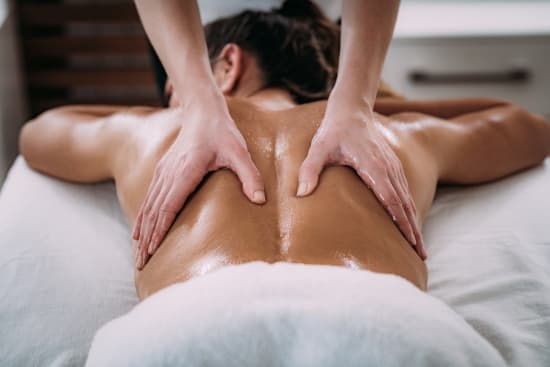
Massage therapy at Active Path Physiotherapy in Brampton is a hands-on treatment delivered by Registered Massage Therapists that relieves muscle tension, improves circulation, and supports the body's natural healing process. It's more than a relaxation service: for many of our Brampton East, McVean, and Castlemore patients, it's a working part of their recovery from injury, chronic tightness, or the everyday strain of a demanding job or training schedule. Every session is tailored to what your body needs that day, not a fixed routine applied to everyone who walks in.
What happens during a massage therapy assessment?
Your first appointment starts with a short intake conversation about your health history, current symptoms, activity level, and what you're hoping to get out of treatment: pain relief, better range of motion, stress reduction, or recovery support alongside another program. Your therapist will assess the affected area, note any restrictions or areas of tightness, and explain the approach they plan to take before starting hands-on work. Sessions can range from a full-body relaxation treatment to a focused treatment on a specific region such as the neck, shoulders, or lower back, depending on what brought you in.
How does massage therapy fit into an ongoing treatment plan?
For some patients, massage therapy is a standalone service used for stress relief or general muscle maintenance. For others, it's paired with a physiotherapy or chiropractic program, used to manage tension that builds up between appointments or to help tissue respond better to exercise-based rehab. Your therapist will typically suggest a rhythm of visits based on how your body is responding and what you're working toward, rather than committing you to a fixed number of sessions up front. As treatment progresses, sessions often shift from calming acute tightness toward maintaining the gains you've made and preventing symptoms from building back up.
When should you book a massage therapy appointment?
Common reasons patients book with us include chronic muscle tension, stress and poor sleep, recovery after a hard training block or physically demanding week at work, and general tightness that hasn't responded to stretching or rest on its own. It's also a useful complement if you're already being treated for an injury and want to support that recovery between other appointments. If you're unsure whether massage or a different service is the better starting point, mentioning your goals when you book lets us match you with the right approach from the outset.
Massage therapy after a motor vehicle accident is often covered under your Ontario auto insurance policy as part of your accident benefits. We bill your insurer directly for approved sessions, so you're not paying out of pocket while your claim is active. If you were injured in a collision, our MVA claims page explains how that coordination works from your first visit onward.
How does massage therapy connect to our other services?
Massage therapy pairs naturally with physiotherapy, where it's often used to manage tightness while a rehab program addresses strength and mobility, and with our chiropractor service, where soft tissue work can complement spinal and joint adjustments. If your main concern is specifically your back or neck, our back and neck pain page outlines how manual therapy techniques, including massage, fit into that broader approach.
What should you expect in the days after a session?
Most people leave a session feeling looser and more relaxed right away, though some areas that received deeper work can feel mildly tender for a day afterward, similar to how muscles feel after a good workout. Drinking water and keeping gently active in the following day or two tends to help. If you're using massage alongside another treatment program, your therapist may suggest simple stretches or self-care between sessions to help maintain the benefits until your next visit.
Before you book
Frequently asked questions
How is massage therapy different from a spa massage?
Registered massage therapy is a regulated healthcare service. Your therapist assesses your condition, documents your treatment, and adapts techniques to a specific clinical goal, whereas a spa massage is typically focused purely on relaxation without that clinical assessment and follow-up.
Is massage therapy covered by insurance?
Many extended health plans include massage therapy coverage, and we offer direct billing where your provider allows it. See our EHC, MVA & WSIB page for more on how direct billing works for Extended Health Care, MVA, and WSIB claims.
Will I be sore after a massage?
Mild soreness for a day or so is common, particularly after deeper work on a tight or previously untreated area. Your therapist will check in on pressure throughout the session, and you're always welcome to ask for lighter or firmer pressure at any point.
Do I need a referral to book massage therapy?
No referral is required to book, though some insurance plans ask for one to process reimbursement. It's worth checking your specific plan's requirements before your appointment so there are no surprises when you submit a claim.
How often should I book massage therapy?
There's no universal answer. It depends on what you're treating and how your body responds: some patients book weekly during an intensive phase of recovery, while others come in monthly for general maintenance. Your therapist will make a recommendation based on your goals and how you're progressing.
Conditions treated
- Muscle tension and tightness
- Chronic pain
- Stress and anxiety
- Sports-related soreness
- Postural issues
Our approach
- Deep tissue massage
- Therapeutic massage
- Relaxation massage
- Myofascial release
- Trigger point therapy
What to expect
- Less muscle tension
- Better circulation
- Faster recovery
- Better sleep